The Craft of Screenwriting – The False Choice Between Character and Plot
One of the most common debates in storytelling is the argument between character and plot. Writers often ask which matters more, as if the two are separate forces competing for control of the same story. Some writers believe plot is everything—the twists, the reveals, the structure, the escalating danger. Others insist character is the true heart of storytelling, that audiences stay for people, not events. The problem is that both sides are usually arguing from a false premise. Character and plot are not opponents. They are partners. In strong storytelling, they are inseparable.
Weak scripts often reveal this misunderstanding immediately. The plot feels mechanical, as though events are happening because the writer needs them to happen rather than because the characters created them. A betrayal appears because the second act needs conflict. A death happens because the third act needs emotional weight. A romance begins because the genre requires it. None of it feels earned because the story is being imposed from the outside instead of growing from the inside. The audience may not consciously identify the problem, but they feel it. The story feels designed rather than lived.
Plot should not be viewed as a series of external events that happen to characters like weather hitting a building. Plot is the result of choice. It is consequence. It is the chain reaction created when people with desires, fears, flaws, and beliefs make decisions under pressure. When character drives action, plot gains inevitability. It feels organic because it could not have happened any other way.
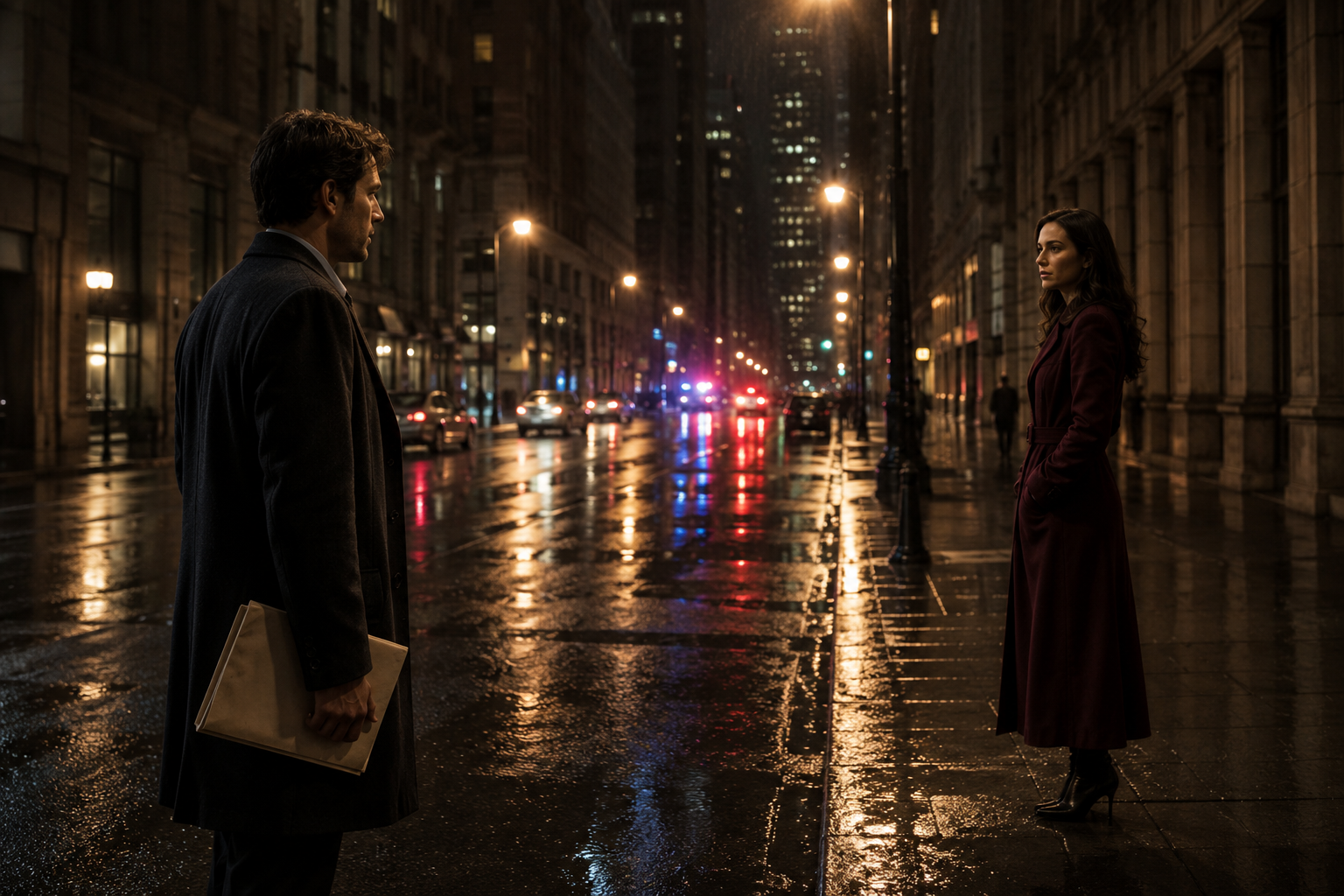
Consider the difference between a character being chased and a character causing the chase. In the weaker version, the protagonist is simply reacting. Trouble arrives from nowhere, and they spend the story trying to survive it. In the stronger version, the protagonist made a decision—perhaps out of pride, desperation, love, greed, or fear—that created the danger. Now the plot belongs to them. They are not just inside the story. They are responsible for it. That responsibility creates drama because action now carries emotional meaning.
This is why great stories often feel both surprising and inevitable at the same time. We do not predict every moment, but when it happens, we understand why it had to happen. Michael Corleone becoming the ruthless heir of the family business in The Godfather is not simply a plot turn. It is the natural result of identity, loyalty, pride, violence, and the slow erosion of moral boundaries. If you removed the specific character, the plot would collapse because the story is built from who he is becoming.
Many writers accidentally separate plot from character during outlining. They begin with events instead of people. They ask what happens before they ask why it happens. They build the car chase, the courtroom scene, the betrayal, the confrontation, and only afterward try to assign emotional logic to those moments. This usually creates scenes that function structurally but feel hollow emotionally. The audience can follow the map, but they do not feel the journey.
A better question is not “What happens next?” but “What would this character do next?” That shift changes everything. A disciplined detective and an impulsive detective do not create the same mystery. A selfish mother and a self-sacrificing mother do not create the same family drama. A coward and a martyr do not produce the same war film. The same premise transforms entirely depending on the person at the center of it.
This is also where flaw becomes essential. Perfect characters create weak stories because perfection produces predictability. Flawed characters generate plot because flaws create bad decisions, blind spots, conflict, and emotional resistance. Pride delays reconciliation. Fear ruins opportunity. Obsession destroys balance. Denial postpones truth. These are not just personality traits. They are engines of narrative movement.
A protagonist’s desire creates forward motion, but their flaw creates resistance. That friction is where story lives. Someone may desperately want love but sabotage intimacy because vulnerability terrifies them. They may want justice but become corrupted by revenge. They may want freedom but cannot release control. Plot emerges from that contradiction. Without it, scenes become simple transactions rather than dramatic progression.
This is why external stakes alone are rarely enough. Saving the city, winning the case, solving the murder, escaping the monster—these are useful structural goals, but they only become memorable when tied to internal stakes. If the detective solves the murder, what does that mean emotionally? Redemption? Forgiveness? Self-destruction? If the athlete wins the championship, what does victory cost them personally? Plot asks what happens. Character asks what it means. Strong stories answer both at the same time.
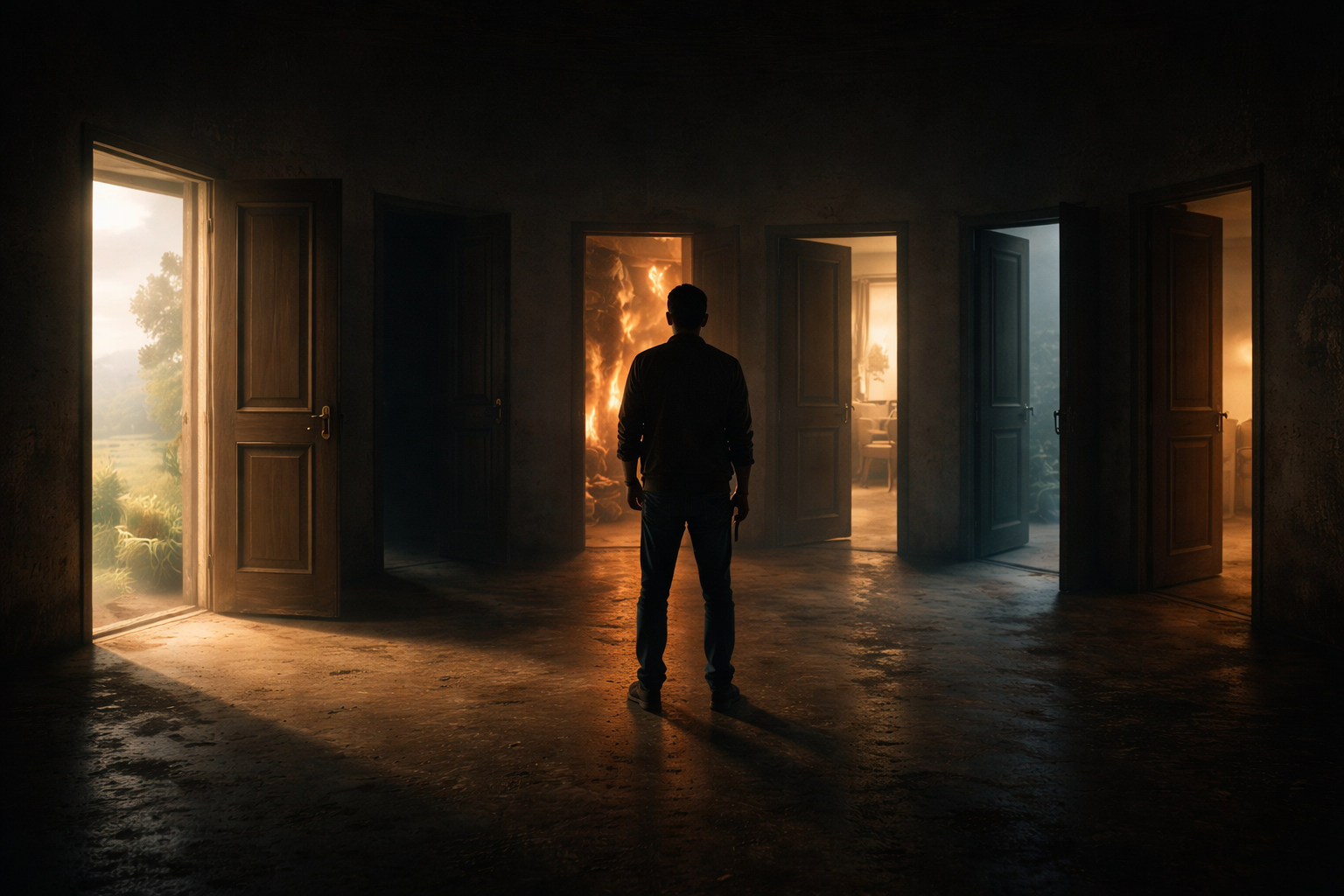
Writers sometimes fear that focusing on character will make the story slow or overly introspective. The opposite is usually true. Character focus does not mean endless conversations about feelings. It means every action matters because it reveals identity. A simple decision—whether someone opens a door, lies to a friend, signs a contract, pulls a trigger, or walks away—can carry enormous dramatic power when it exposes who they really are.
The same principle applies to antagonists. Villains should not exist merely to create obstacles. They should be forces of belief. The strongest antagonists challenge the protagonist not just physically, but philosophically. They expose weakness. They tempt compromise. They force moral decisions. In that sense, the antagonist is often the most important engine of plot because they pressure the protagonist into becoming who they truly are.
Think of The Dark Knight. The Joker is not compelling because he creates explosions. He matters because he attacks Bruce Wayne’s moral structure. He turns ethics into conflict. He makes the plot a test of identity rather than a sequence of crimes. Without that character pressure, the film would be spectacle without weight.
Writers also misunderstand plot twists for this reason. A twist should not exist simply to shock the audience. Surprise without emotional truth fades quickly. The best twists feel like revelations of character. They expose hidden motives, secret loyalties, repressed truths, or unavoidable consequences. The audience should respond not just with surprise, but with recognition. Of course that happened. Of course that person made that choice. I should have seen it.
This is where rewriting becomes critical. First drafts often lean too heavily toward either event or introspection. Either the plot is moving but the emotional logic is thin, or the emotional depth exists but nothing meaningful happens. Rewriting is where the marriage happens. Every scene must be examined for cause and effect. Why now? Why this decision? Why this consequence? If the answer is “because the script needs it,” the scene is still unfinished.
Strong structure does matter. Screenwriting is not a rejection of plot mechanics. Acts, reversals, escalation, midpoint shifts, and climax all matter. But structure should be the architecture supporting emotional truth, not replacing it. Structure is the skeleton. Character is the blood. One without the other creates something either shapeless or lifeless.
Audiences rarely leave a theater talking about act breaks or midpoint reversals, even though those things shaped their experience. They talk about people. They talk about the choice someone made, the betrayal that hurt, the sacrifice that landed, the ending that felt deserved. They remember plot through emotional memory. They remember events because of the people attached to them.
The false choice between character and plot exists because many writers treat them as separate departments. In reality, plot is character in motion. It is what happens when human desire collides with consequence. It is not a machine built around people. It is people creating the machine.
The best stories never ask the audience to choose between character and plot because they understand there was never a real choice to begin with. If your characters are alive, your plot will move. If your plot is meaningful, it will reveal character. The two are not rivals. They are the same story viewed from different angles.
At the page level, this changes everything. Instead of forcing events onto your protagonist, ask what decision they would make that creates the next event. Instead of designing conflict from the outside, let contradiction generate it from within. Instead of choosing between plot and character, build stories where one cannot exist without the other.
That is where screenwriting stops feeling mechanical and starts feeling alive.
Fade In Is Just The Beginning.
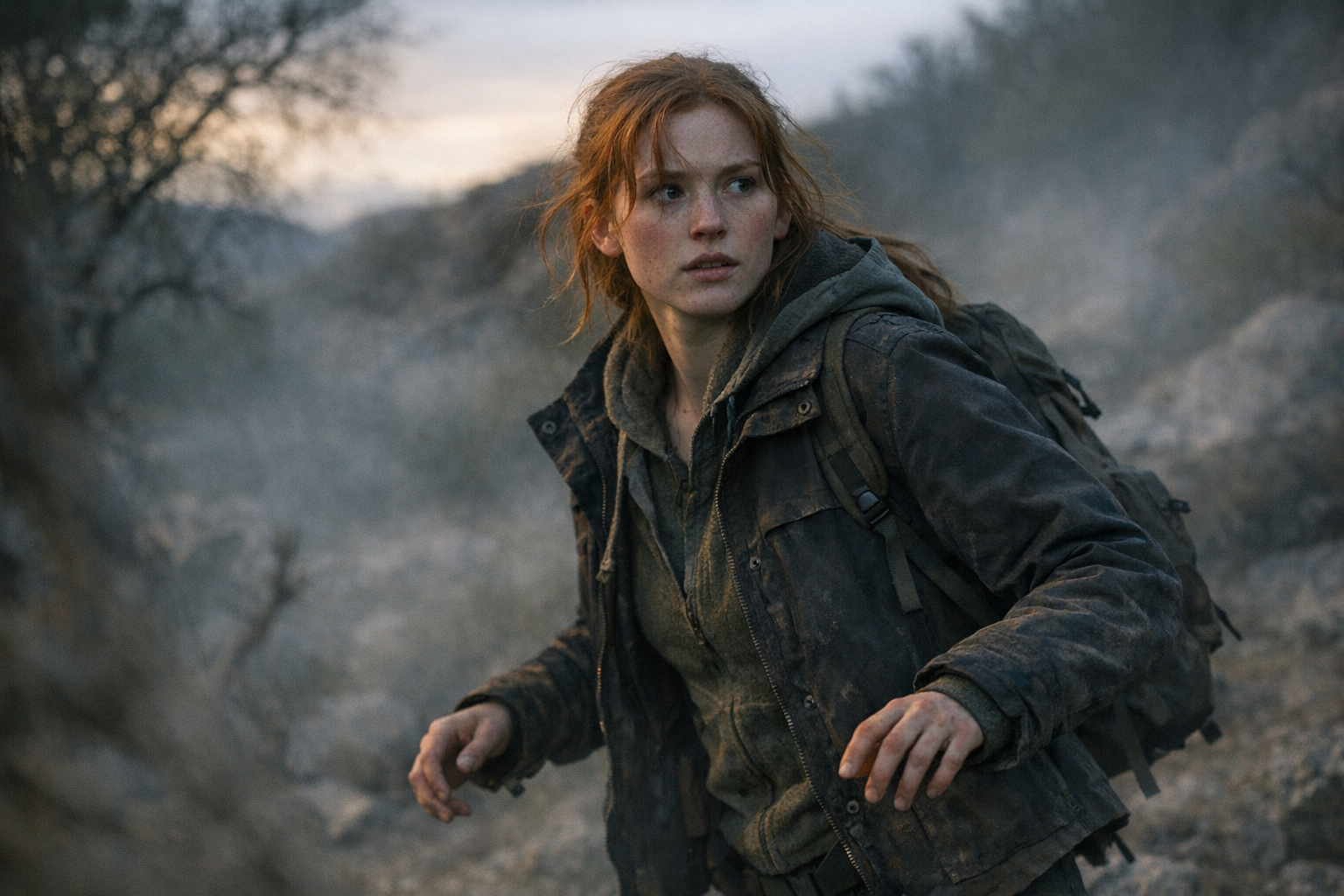
The Craft of Writing: Why Strong Female Characters Matter (And Why Most Writers Still Get Them Wrong)


John Risner
John Morgan Risner is a screenwriter, novelist, and story analyst, and the founder of Screen Writer Ink. With over a decade of experience teaching screenwriting and filmmaking at the university level, he has helped writers develop stronger stories through a focus on character, structure, and cinematic storytelling. His work spans multiple genres, including thriller, horror, and mystery, with an emphasis on character-driven narratives. He is also a film historian with a deep knowledge of classic and modern cinema, including the James Bond films and novels. Through Screen Writer Ink, he provides writers with practical, experience-based insight into the craft of storytelling—helping them move beyond theory and write with clarity, purpose, and control.


