The Craft of Writing: Beyond the Heroine — Building a Dynamic Female Ensemble
Introduction to The Craft of Writing Series
Storytelling isn’t limited to one medium. Whether you’re writing novels, screenplays, or short fiction, the foundation remains the same—compelling characters, meaningful conflict, and emotional truth.
In The Craft of Writing series, we explore the principles that make stories resonate across genres and formats. This series focuses on character, voice, and narrative strength—tools every writer needs, regardless of what they’re writing.
This article completes our exploration of writing compelling female characters, expanding the focus beyond individuals to the power of the ensemble.
Why the Supporting Cast Matters
When we talk about strong female characters, the focus often lands on the heroine.
But great stories are sustained by the entire cast.
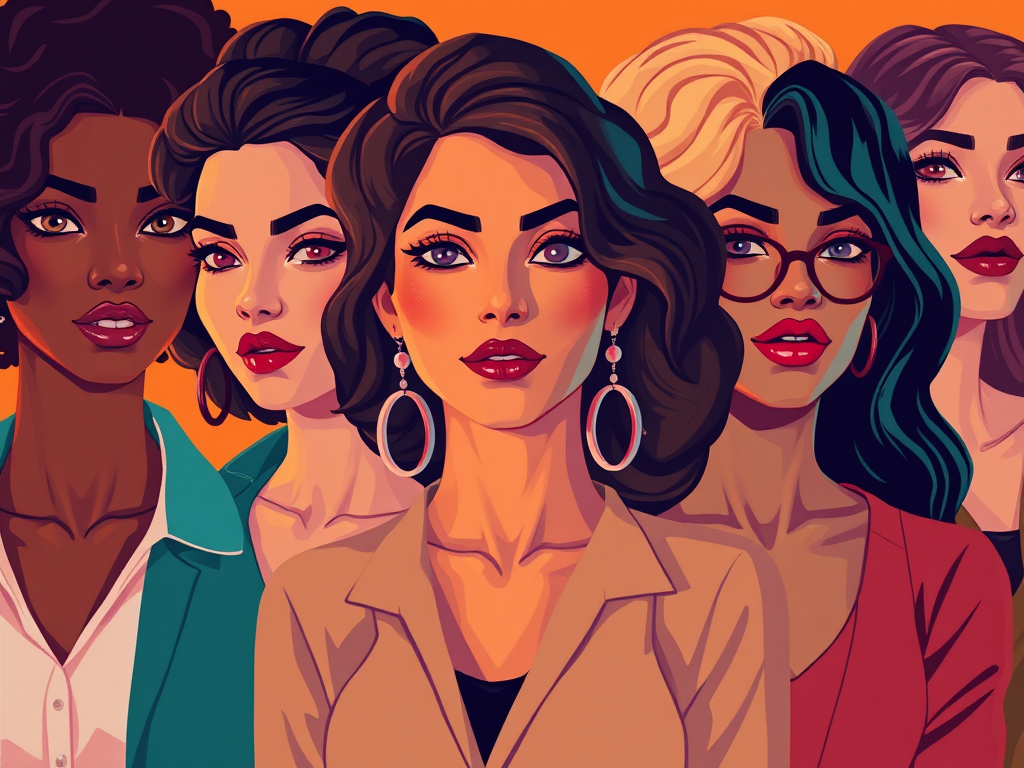
Confidants, rivals, mentors, skeptics, and allies all shape the emotional and narrative landscape of a story. They create tension, contrast, humor, and depth. They give the world texture and make it feel lived-in.
An ensemble doesn’t exist to orbit the protagonist.
It exists to challenge, support, and transform the journey.
Think about The Hunger Games. Katniss may be the lead, but characters like Rue, Effie, Cinna, and Johanna each reveal different sides of her. Their presence deepens the emotional stakes and expands the story beyond a single perspective.
A strong ensemble doesn’t follow the story.
It helps create it.
What Makes an Ensemble Work
A compelling ensemble is not just a collection of characters—it’s a system of relationships.
Each character should serve a narrative or thematic function. Through them, we understand more about the protagonist, the world, and the central conflict.
Some characters reflect who the protagonist is. Others challenge what she believes. Some push the story forward, while others ground it emotionally.
These roles are fluid. A single character may serve multiple functions, and those functions can evolve over time.
In Hidden Figures, Katherine, Dorothy, and Mary each have their own journeys—but together, they create a unified narrative of resilience, intelligence, and determination. The strength of the story comes from how their arcs intersect and support one another.
Writing an Ensemble with Range
A strong ensemble is built on distinction.
It’s not enough to write multiple “strong women.” Each character must feel like an individual—with her own voice, perspective, and motivations.
Differences in background, worldview, and personality create contrast. Contrast creates tension. And tension creates story.
One character may approach problems with logic. Another with emotion. One may be idealistic. Another pragmatic. These differences shape how they interact—and how the story unfolds.
When characters begin to sound the same, think the same, or behave the same, the ensemble loses its power.
Real people are not interchangeable.
Your characters shouldn’t be either.
Conflict Within the Ensemble
Not all conflict comes from the antagonist.
Some of the most compelling moments come from characters who are on the same side—but disagree.
They clash over priorities, methods, and beliefs. They misjudge each other. They compete, protect, resent, and support—sometimes all at once.
In Little Women, the March sisters love each other deeply, but their differences create tension that drives the emotional core of the story.
This kind of internal conflict doesn’t weaken the group.
It makes it real.
Beyond the “Supporting Role”
Supporting characters should not exist solely to reinforce the protagonist.
They should have their own desires, their own decisions, and their own moments of consequence.
When a character exists only to agree, support, or admire, the story becomes one-dimensional.
But when each character has agency, the story expands.
Think of Hermione Granger. She is not just a companion—she is a force within the story, with her own intelligence, convictions, and growth.
That’s what elevates an ensemble.
Interwoven Stories Create Depth
The strongest ensembles are interconnected.
One character’s choice affects another. One storyline ripples into the next. Relationships shift as the story progresses.
This creates a web of cause and effect that feels organic.
In Orange Is the New Black, characters’ histories and choices continually reshape their relationships. Power shifts. Alliances change. The story evolves because the characters are constantly influencing one another.
That interconnectedness keeps the narrative alive.
Final Thoughts: A Story Carried by Many
A protagonist may lead the story.
But an ensemble gives it weight.
When supporting characters are distinct, purposeful, and emotionally grounded, the story gains depth, resonance, and staying power.
Great ensemble storytelling offers more than one perspective. It builds empathy through contrast and meaning through connection.
So give every character a reason to exist.
Give her a voice.
A desire.
A decision to make.
Because the stories we remember most are not carried by one voice alone.
They are lifted by many.
The Craft of Writing Series
- Why Strong Female Characters Matter
- Flawed, Not Fragile — Writing Emotional Complexity
- Beyond the Heroine: Writing Nuanced Female Protagonists
- Beyond the Heroine: Writing Nuanced Female Antagonists
- Beyond the Heroine: Building a Dynamic Female Ensemble
Fade In Is Just The Beginning.
— John Morgan Risner
Screen Writer Ink
Learn more about Mastering Character Creation:
The Craft of Writing: Why Strong Female Characters Matter (And Why Most Writers Still Get Them Wrong)


John Risner
John Morgan Risner is a screenwriter, novelist, and story analyst, and the founder of Screen Writer Ink. With over a decade of experience teaching screenwriting and filmmaking at the university level, he has helped writers develop stronger stories through a focus on character, structure, and cinematic storytelling. His work spans multiple genres, including thriller, horror, and mystery, with an emphasis on character-driven narratives. He is also a film historian with a deep knowledge of classic and modern cinema, including the James Bond films and novels. Through Screen Writer Ink, he provides writers with practical, experience-based insight into the craft of storytelling—helping them move beyond theory and write with clarity, purpose, and control.


