The Craft of Writing: Beyond the Heroine — Writing Nuanced Female Antagonists
Introduction to The Craft of Writing Series
Storytelling isn’t limited to one medium. Whether you’re writing novels, screenplays, or short fiction, the foundation remains the same—compelling characters, meaningful conflict, and emotional truth.
In The Craft of Writing series, we explore the principles that make stories resonate across genres and formats. This series focuses on character, voice, and narrative strength—tools every writer needs, regardless of what they’re writing.
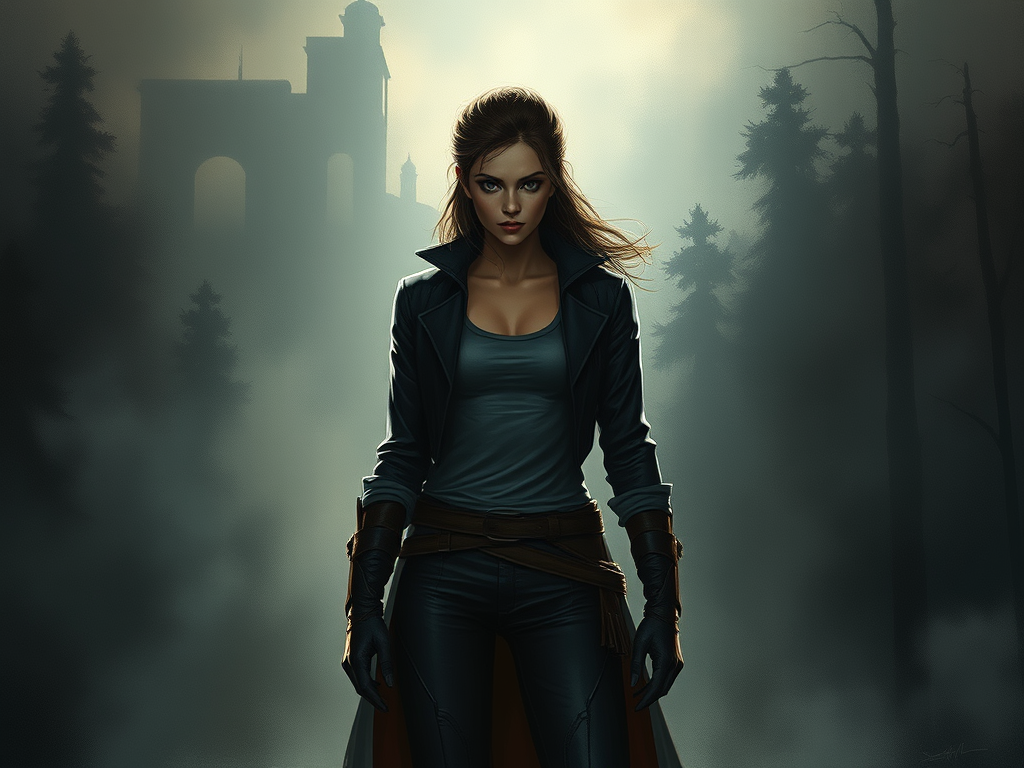
This article continues our exploration of writing compelling female characters, shifting the focus to the other side of the conflict—the antagonist.
Why Female Antagonists Deserve More
Strong protagonists need worthy adversaries.
But too often, female antagonists are reduced to clichés—the jealous ex, the mean girl, the power-hungry diva. These portrayals don’t just flatten a character. They weaken the story.
A compelling antagonist should be as layered, driven, and purposeful as the protagonist.
She should want something.
She should believe in something.
She should act with intention.
Because the antagonist is not just an obstacle.
She is the force that defines the hero.
What Makes a Great Antagonist
A great antagonist doesn’t see herself as the villain.
She believes she is right.
Her actions are driven by purpose, not chaos. Her worldview may be flawed, distorted, or dangerous—but it makes sense to her.
She challenges the story’s theme. She pushes against the protagonist’s beliefs. She forces change—whether through pressure, opposition, or consequence.
When written well, the antagonist is not separate from the story’s meaning.
She is part of it.
More Than a Label
A female antagonist should never be defined by gendered shorthand.
She is not “the crazy one.”
She is not “the cold one.”
She is not simply “the rival.”
She is a person with a perspective, shaped by her own experiences, choices, and beliefs.
The conflict comes not from who she is—but from what she wants, and how that clashes with the protagonist.
Antagonists Who Stay With Us
We’ve seen this done well across storytelling.
Miranda Priestly in The Devil Wears Prada is demanding, controlled, and relentless—but she also represents the cost of ambition and excellence. She is not evil. She is the system the protagonist is trying to enter.
Amy Dunne in Gone Girl is precise, intelligent, and deeply unsettling. She understands the expectations placed on her—and uses them as weapons.
Cersei Lannister in Game of Thrones is ruthless and calculating, but driven by love, fear, and survival. Her actions are extreme—but her motivations are human.
These characters are not memorable because they are villains.
They are memorable because they are fully realized.
Building a Nuanced Antagonist
Start with purpose.
What does she want—and why does it matter to her?
Her goals should exist independently of the protagonist. They may intersect, collide, or directly oppose—but they should not be defined by someone else.
Let her be capable.
A weak antagonist weakens the story. Give her intelligence, strategy, influence, or power. Let her earn her place as a threat.
Give her history.
No one emerges fully formed. Her worldview comes from somewhere—loss, ambition, injustice, belief. You don’t need to justify her actions, but you should understand them.
And most importantly, connect her to the protagonist.
She may be a mirror. A warning. A contrast. A reflection of what the hero could become.
That connection is what makes the conflict feel personal.
Theme Lives in Opposition
The best antagonists don’t just challenge the protagonist—they challenge the theme.
If your story explores freedom, she may represent control.
If it explores truth, she may distort it.
If it explores identity, she may reject or reshape it.
With a female antagonist, this can open the door to deeper layers—power, expectation, identity, ambition, and how those forces shape behavior.
When done well, the conflict operates on more than one level.
It becomes meaningful.
Complexity Over Resolution
Not every antagonist needs redemption.
But every antagonist should feel real.
She can have moments of doubt. Moments of clarity. Moments where she almost chooses differently.
Or she can double down.
What matters is that her choices feel consistent with who she is.
Whether she falls, survives, or wins—she should leave an impression.
Final Thoughts: The Power of Opposition
A strong story is built on strong conflict.
And strong conflict requires a worthy adversary.
When you write a compelling female antagonist, you don’t just strengthen the opposition—you deepen the entire story.
Give her purpose.
Give her conviction.
Give her something to fight for.
Because when she’s written well, she’s not just a villain.
She’s unforgettable.
The Craft of Writing Series
- Why Strong Female Characters Matter
- Flawed, Not Fragile — Writing Emotional Complexity
- Beyond the Heroine: Writing Nuanced Female Protagonists
- Beyond the Heroine: Writing Nuanced Female Antagonists
- Beyond the Heroine: Building a Dynamic Female Ensemble
Fade In Is Just The Beginning.
— John Morgan Risner
Screen Writer Ink

The Craft of Writing: Why Strong Female Characters Matter (And Why Most Writers Still Get Them Wrong)

The Craft of Screenwriting: Why Audiences Forgive Plot Holes

John Risner
John Morgan Risner is a screenwriter, novelist, and story analyst, and the founder of Screen Writer Ink. With over a decade of experience teaching screenwriting and filmmaking at the university level, he has helped writers develop stronger stories through a focus on character, structure, and cinematic storytelling. His work spans multiple genres, including thriller, horror, and mystery, with an emphasis on character-driven narratives. He is also a film historian with a deep knowledge of classic and modern cinema, including the James Bond films and novels. Through Screen Writer Ink, he provides writers with practical, experience-based insight into the craft of storytelling—helping them move beyond theory and write with clarity, purpose, and control.


