Writing Villains Who Believe They’re Right (And Sometimes Are)
One of the fastest ways to weaken a story is to create a villain who exists only to be hated. The mustache-twirling antagonist who hurts people simply because they are “evil” might work in a cartoon, but in serious storytelling, flat villains create flat conflict. Audiences do not remember villains because they were cruel. They remember them because, in some uncomfortable way, they understood them.
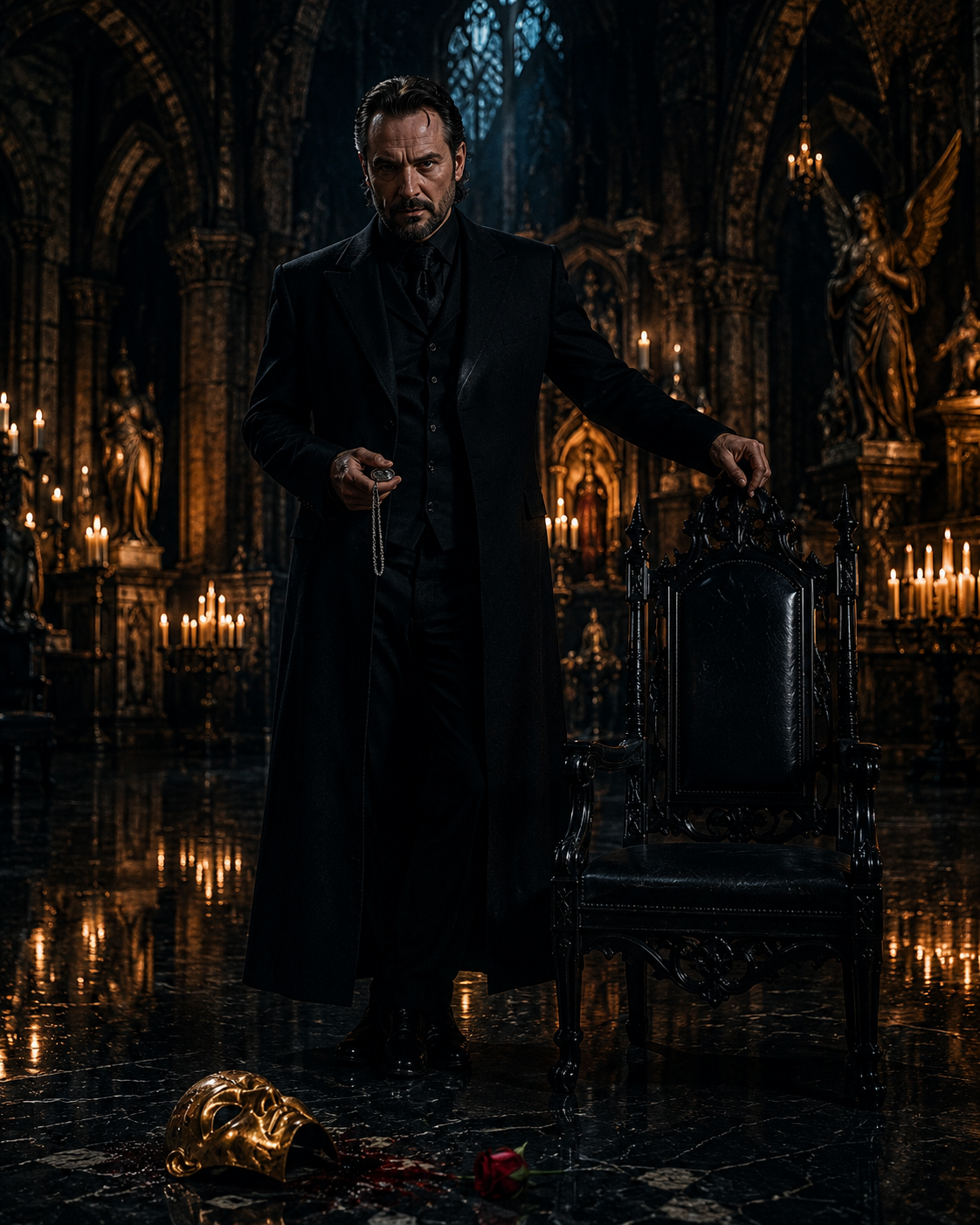
The most powerful antagonists rarely wake up in the morning thinking they are the villain of someone else’s story. In their own minds, they are the hero. They are protecting something, correcting something, preserving something, or avenging something. They believe their actions are justified, necessary, and often noble. That belief creates depth, and depth creates tension.
Writers often spend enormous time developing their protagonists while treating the antagonist like a functional obstacle. The villain becomes little more than a wall for the hero to climb over. But real conflict does not come from obstacles. It comes from opposition. The strongest stories are built when two people want incompatible things, and both of them believe they are right.
That belief is where memorable villains are born.
A villain should not simply have bad behavior. They should have a moral framework. Even if that framework is twisted, it must make sense to them. They may value order over freedom. They may believe sacrifice is necessary for survival. They may think compassion is weakness. They may be trying to prevent the same pain they once suffered. Their methods may be terrible, but their reasoning should feel internally consistent.
This is why audiences are fascinated by characters like Michael Corleone in The Godfather, Erik Killmonger in Black Panther, or Magneto in the X-Men films. They are dangerous, sometimes brutal, and often morally compromised, but they are not empty. Their worldview is understandable. In some cases, parts of it are even correct. That is what makes them unsettling. The audience does not simply reject them. They wrestle with them.
Sometimes the villain is right about the problem but wrong about the solution.
That distinction matters.
A character like Killmonger is compelling because his anger is rooted in real injustice. His rage is not random. It is built on abandonment, history, and pain. The audience may reject his violence, but they cannot easily dismiss the truth beneath it. That complexity gives the story weight because it forces the protagonist to confront more than just a person. They must confront an idea.
This is where many writers miss the opportunity. They make the villain wrong about everything. That makes the hero’s journey too easy. If the antagonist is obviously foolish, cruel, and irrational, defeating them becomes mechanical. But if the villain is partially right, the hero must grow in a more meaningful way. They must answer difficult questions, not just survive difficult situations.
The best villains expose weaknesses in the hero.
They challenge beliefs the protagonist would rather avoid. They force moral choices. They create pressure not because they are stronger, but because they are psychologically dangerous. A villain who understands the hero can often do more damage than one with greater physical power.
Consider the difference between a criminal mastermind and a personal betrayer. One may threaten the city. The other threatens identity. One creates external stakes. The other creates emotional stakes. The strongest antagonists often do both.
A villain’s origin matters, but writers often misunderstand how to use backstory. Trauma alone does not create complexity. A tragic childhood is not character development. What matters is interpretation. Two people can survive the same pain and become completely different people. The villain’s story is not interesting because something bad happened to them. It is interesting because of what they decided that pain meant.
Did they decide trust is weakness? Did they conclude love always becomes loss? Did they decide power is the only true protection? That internal conclusion shapes the villain far more than the event itself.
Writers should also resist the temptation to over-explain. Mystery can strengthen an antagonist. Not every villain needs a monologue explaining every wound and decision. Sometimes suggestion is stronger than exposition. A glance at an old photograph, a hesitation before violence, a single contradictory act of mercy—these moments often reveal more than pages of explanation.
Subtlety creates intrigue.
Another mistake is making villains competent only when the plot requires it. If the antagonist is brilliant in one scene and foolish in the next simply so the hero can win, the story collapses. A strong villain should feel like a legitimate force. Their intelligence, strategy, and emotional pressure should create real consequences. Victory should cost something.
This is especially true in thrillers, horror, and crime stories, but it applies everywhere. Even in romance, family drama, or literary fiction, the antagonist must feel real. Sometimes the villain is not a criminal or tyrant. Sometimes it is a parent whose love is controlling, a mentor whose guidance becomes manipulation, or a friend whose loyalty turns possessive. Human antagonists often leave the deepest scars because they are recognizable.
Writers should also remember that villains need desire, not just destruction. What do they want? Protection? Respect? Revenge? Stability? Legacy? Belonging? Control? Without desire, they become hollow. Destruction for its own sake is rarely interesting. Destruction in pursuit of something deeply personal is.
This is why some of the strongest antagonists are frighteningly ordinary. They do not see themselves as monsters. They see themselves as practical. Necessary. Realistic. They believe everyone else is too weak to do what must be done.
That conviction is powerful because it mirrors real life. Most harm in the world is not committed by people announcing themselves as evil. It is committed by people convinced they are justified.
Stories should reflect that truth.
A great villain does not simply oppose the hero’s goal. They threaten the hero’s certainty. They force the audience to ask uncomfortable questions. Could I have made that same choice? Under enough pressure, would I have believed the same thing? That is where fiction becomes memorable—when the line between hero and villain feels less like a wall and more like a decision.
As writers, we should not aim to create villains people hate. We should aim to create villains people understand, even when they wish they did not. That tension creates emotional power. It makes conflict richer, endings stronger, and protagonists more fully tested.
Because the most dangerous villain is never the one who knows they are evil.
It is the one who believes they are saving the world.
By John Morgan Risner
Fade In Is Just The Beginning.

The Craft of Writing: Why Strong Female Characters Matter (And Why Most Writers Still Get Them Wrong)
The Craft of Writing: Story Ideas — Where Great Stories Begin


John Risner
John Morgan Risner is a screenwriter, novelist, and story analyst, and the founder of Screen Writer Ink. With over a decade of experience teaching screenwriting and filmmaking at the university level, he has helped writers develop stronger stories through a focus on character, structure, and cinematic storytelling. His work spans multiple genres, including thriller, horror, and mystery, with an emphasis on character-driven narratives. He is also a film historian with a deep knowledge of classic and modern cinema, including the James Bond films and novels. Through Screen Writer Ink, he provides writers with practical, experience-based insight into the craft of storytelling—helping them move beyond theory and write with clarity, purpose, and control.


