
The Craft of Screenwriting: Visual Storytelling
The Craft of Screenwriting Series
Screenwriting is both a technical craft and a storytelling discipline. While great films often feel effortless to the audience, the scripts behind them are carefully constructed documents designed to guide a production from imagination to screen.
In this series from Screen Writer Ink, we explore the essential principles of screenwriting—from understanding the structure of a screenplay to building compelling characters, writing meaningful dialogue, and using visual storytelling to bring a script to life.
Whether you are new to screenwriting or refining your skills as a storyteller, these lessons are designed to help you strengthen your scripts and think more like a cinematic writer.
Show, Don’t Tell
Screenwriting is a visual art form. While novels rely heavily on prose and internal thoughts, film communicates primarily through what the audience can see and hear.
That means the screenwriter’s job is not to explain the story. The job is to show it.
You don’t tell the audience a character is sad. You show her ignoring calls, pushing away a half-eaten meal, or quietly wiping a tear when no one is looking.
You don’t say a character is brave. You show him stepping forward while everyone else backs away.
If something cannot be seen or heard on screen, it likely does not belong in the screenplay.
Why Visual Storytelling Matters
Visual storytelling is the language of film. It matters for several important reasons.
First, it is how movies actually work. Directors, cinematographers, actors, and editors all translate the written script into images. The clearer and more visual your writing is, the easier it becomes for those collaborators to bring the story to life.
Second, visuals create immediate emotional impact. Audiences process images faster than words, and strong imagery often communicates feeling more powerfully than explanation.
Finally, writing visually strengthens your voice as a screenwriter. A script that paints clear cinematic moments stands out in competitions, coverage reports, and industry reads because the reader can easily imagine the film unfolding.
A visually rich script invites the reader to experience the movie rather than simply read about it.
Tools of Visual Storytelling
There are several techniques screenwriters use to create strong visual storytelling.
Behavior Over Explanation
Characters reveal themselves through action.
Instead of writing:
He’s angry.
Show the behavior:
He slams the door so hard the frame rattles.
The action communicates the emotion without needing to state it directly.
Symbolism and Motifs
Objects and repeated images can reinforce character and theme.
A burned photograph.
A broken watch.
A red scarf that appears throughout the story.
When these images appear at meaningful moments, they create visual echoes that deepen the narrative.
Visual Irony
Sometimes the most powerful images occur when what we see contradicts what we hear.
A character insists she’s fine while quietly wiping tears from her sleeve.
A politician promises honesty while shredding documents in the background.
These moments create tension between words and truth.
Environment and Setting
The spaces characters inhabit often reveal as much about them as dialogue does.
A cramped, cluttered apartment might suggest chaos or struggle.
A sterile hospital room might emphasize isolation or fear.
A wide desert road might highlight loneliness or freedom.
Settings are not just backdrops. They are extensions of the story’s emotional world.
Writing Cinematically (Without Directing)
A common misunderstanding among new writers is that writing visually means including camera directions. It does not.
Screenwriters do not need to write shot lists or camera angles. Instead, they guide the reader’s attention through clear visual description.
For example:
INT. MOTEL ROOM – NIGHT
Rain lashes the window.
SARAH sits on the bed, hands trembling as she counts cash.
The bathroom door creaks open.
A shadow moves.
There are no camera instructions here, yet the reader naturally imagines the moment as it would appear on screen.
That is cinematic writing.
Visualizing Theme
Theme is not only expressed through dialogue. It often appears visually throughout the story.
If a story explores isolation, the character might frequently appear alone within wide, empty spaces.
If the theme involves chaos, environments may feel cluttered, noisy, or overwhelming.
Setting, weather, wardrobe, and movement can all reinforce theme without a single line of dialogue explaining it.
Visual Story Beats
Some of the most powerful moments in film occur without dialogue at all.
A man quietly removing his wedding ring before knocking on a stranger’s door.
A girl returning a missing dog flyer because she has already found the dog.
A soldier wiping blood from a photograph of his family.
Moments like these communicate story instantly. They allow the audience to understand the emotional stakes without needing explanation.
These are the moments where cinema truly shines.
Final Thoughts: Think Like a Filmmaker
You do not need to direct the film as a screenwriter. But you do need to write with the understanding that your story will eventually be seen.
Think in images.
Focus on behavior.
Use setting, action, and visual detail to communicate emotion and meaning.
When a screenplay unfolds visually, the reader begins to experience the story as a movie rather than as text on a page.
And that is when a script becomes truly cinematic.
The Craft of Screenwriting Series
- What Is a Screenplay?
- The Parts of a Screenplay
- Screenplay Format Essentials
- Why Characters Matter Most
- Dialogue That Reveals and Propels
- Visual Storytelling
Fade In Is Just The Beginning.
— John Morgan Risner
Screen Writer Ink
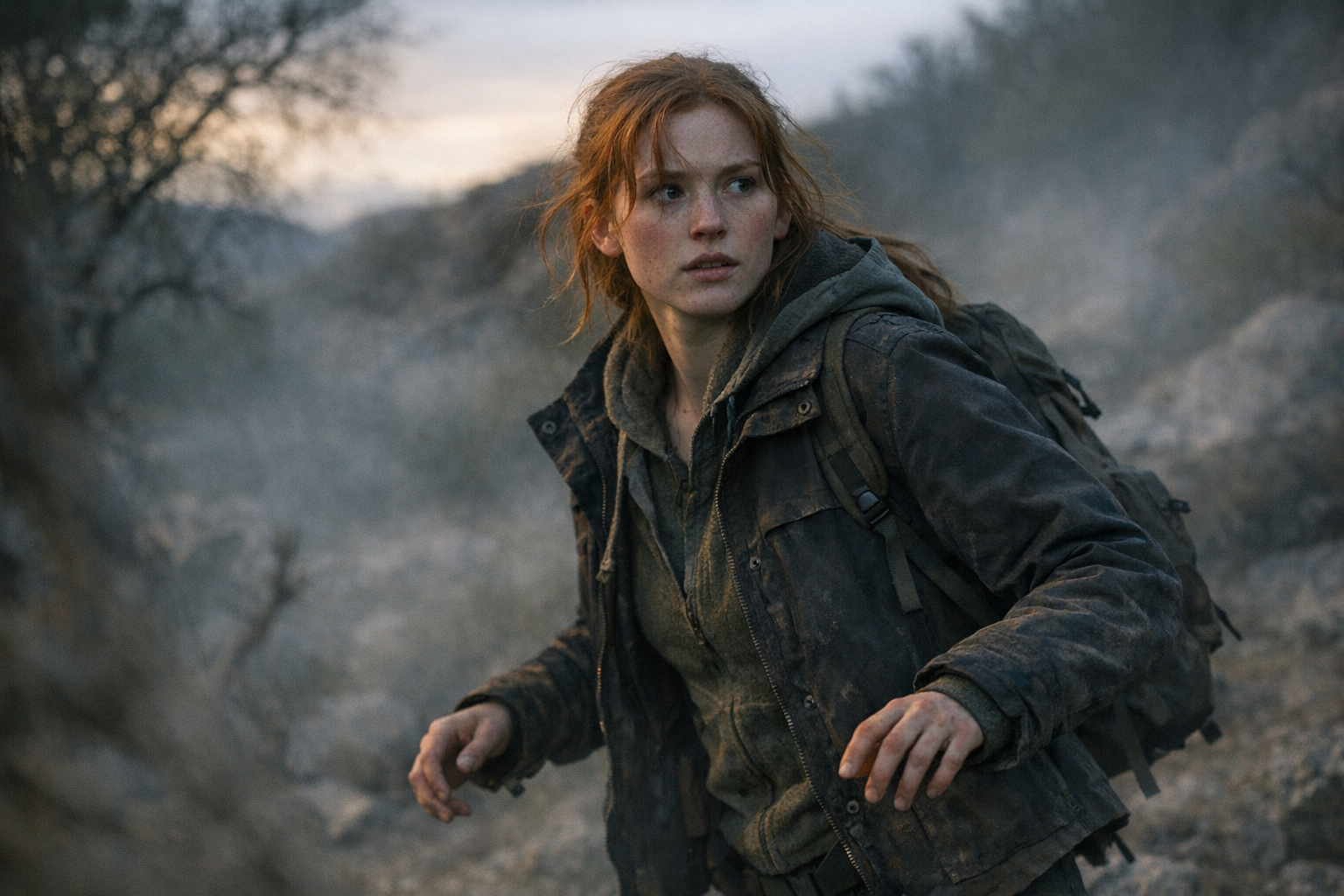
The Craft of Writing: Why Strong Female Characters Matter (And Why Most Writers Still Get Them Wrong)
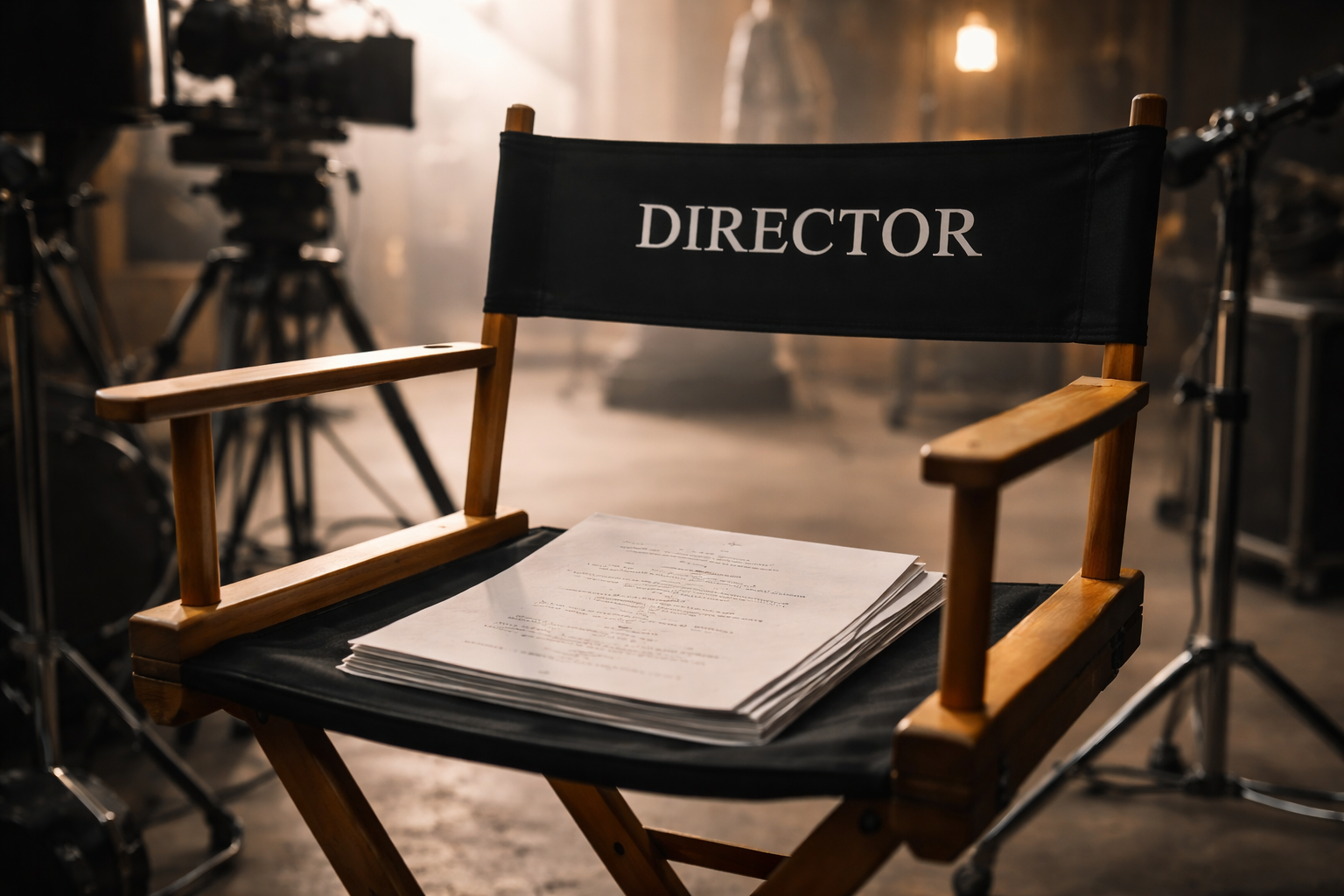
The Craft of Screenwriting: The Parts of a Screenplay

Welcome to Screen Writer Ink

John Risner
John Morgan Risner is a screenwriter, novelist, and story analyst, and the founder of Screen Writer Ink. With over a decade of experience teaching screenwriting and filmmaking at the university level, he has helped writers develop stronger stories through a focus on character, structure, and cinematic storytelling. His work spans multiple genres, including thriller, horror, and mystery, with an emphasis on character-driven narratives. He is also a film historian with a deep knowledge of classic and modern cinema, including the James Bond films and novels. Through Screen Writer Ink, he provides writers with practical, experience-based insight into the craft of storytelling—helping them move beyond theory and write with clarity, purpose, and control.


