
The Craft of Writing – Writing Desire: What Your Character Wants vs. What They Need
One of the fastest ways to identify why a story feels flat is to look at the main character’s desire. If the protagonist is moving through scenes, saying dialogue, reacting to events, and technically doing all the things a main character is supposed to do, but the story still feels emotionally thin, the problem is often here. The character may have a goal, but they do not have a meaningful desire driving the story underneath it.
Writers often confuse plot movement with character movement. A character wants to win the case, solve the murder, get the girl, escape the town, save the kingdom, or survive the haunted house. Those are goals, and they matter. They create structure. They give the story direction. They help us understand what success and failure look like. But goals alone are not enough to create emotional investment. Audiences do not stay because someone is chasing an external objective. They stay because they want to understand what that pursuit is really costing the character and what it reveals about who they are.
This is where the difference between want and need becomes essential. What a character wants is usually external. It is visible, measurable, and easy to explain in a sentence. What a character needs is internal. It is emotional, psychological, and often invisible to the character themselves. The want drives the plot. The need drives the transformation. When those two things are connected, the story gains power. When they are disconnected, the story starts to feel mechanical.
A detective may want to catch a killer, but what he needs is to confront the guilt he carries over failing his own family. A young woman may want to become famous, but what she needs is to understand that validation from strangers will never replace self-worth. A father may want to protect his son from the world, but what he needs is to trust that love does not mean control. The external desire creates action. The internal need creates meaning.
The mistake many writers make is building only the want. They become obsessed with plot architecture and forget emotional architecture. They know every twist, every reveal, every chase scene, every betrayal, but they have not asked the deeper question: why does this matter to this person? Why this goal? Why now? Why does failure hurt beyond inconvenience? If the answer is simply because the plot requires it, the audience will feel that emptiness even if they cannot name it.
Strong stories are not built on events alone. They are built on emotional necessity. The protagonist must want something badly enough that pursuing it forces them into confrontation with themselves. That confrontation is the real story. The murder mystery is not just about finding the killer. The romance is not just about getting the relationship. The sports film is not just about winning the championship. Those are vehicles. The real story is what the character must become in order to survive the pursuit.
This is why some stories with relatively simple plots feel powerful while others with huge spectacle feel forgettable. Emotional truth always outlives spectacle. We remember Rocky because it is not really about boxing. We remember The Godfather because it is not really about organized crime. We remember Pride and Prejudice because it is not really about marriage. The external story gives shape to the internal one, but the emotional transformation is what stays with us.
The most effective wants are often built from the character’s wound. People pursue external goals because they are trying to solve internal pain, whether they realize it or not. Someone abandoned as a child may chase success because achievement feels like proof of worth. Someone betrayed in love may pursue control because vulnerability feels dangerous. Someone raised to believe weakness is failure may chase power because softness feels like death. The want is often a strategy for avoiding the need.
That avoidance creates conflict, because characters rarely walk willingly toward the truth they need most. If they did, stories would be very short. Characters resist change because change threatens identity. A man who believes he must be invulnerable will not easily accept emotional honesty. A woman who defines herself through sacrifice will resist the idea that she deserves her own life. The need often requires surrender, and surrender feels like loss before it feels like freedom.
This resistance is where great second acts live. The middle of a story should not simply be obstacles between the protagonist and the goal. It should be pressure forcing the false belief to crack. Every major event should challenge the character’s current way of surviving. If the protagonist keeps pursuing the want without ever being forced to confront the need, the story loses momentum. The plot may continue, but the emotional engine stalls.
This is also why false victories are so effective. Sometimes the protagonist gets exactly what they thought they wanted, only to discover it does not solve the real problem. The promotion does not fix the loneliness. The revenge does not heal the grief. The perfect relationship does not erase self-hatred. That moment is powerful because it exposes the difference between want and need. It is often the midpoint where the story shifts from pursuit to revelation.
Writers should be careful not to make the need too obvious or too simplistic. “They need confidence” is not enough. “They need to believe in themselves” is usually vague advice disguised as character work. Real emotional needs are specific and rooted in worldview. They are tied to fear, history, and self-protection. A character does not just need confidence. They need to accept that love without performance is possible. They need to forgive the parent they became in reaction against. They need to stop confusing being needed with being loved. Specificity creates truth.
Dialogue can reveal this beautifully when handled with restraint. Characters almost never announce what they truly need. They reveal it sideways—through defensiveness, through the subjects they avoid, through anger that is clearly about something else. A character saying “I’m fine” can be more revealing than a page of confession if the audience understands what sits underneath it. Subtext becomes stronger when the writer knows the hidden need driving the behavior.
Antagonists can also sharpen this dynamic. The best villains often represent a path the protagonist could take if they refuse growth. They embody the cost of choosing want over need forever. They are not just obstacles; they are warnings. In that way, conflict becomes thematic rather than procedural. The protagonist is not simply fighting someone. They are fighting a version of themselves.
Endings work best when the climax forces a choice between want and need. The protagonist must decide whether to cling to the external goal or embrace the internal truth. Sometimes they lose the want and gain the need. Sometimes they achieve both, but only because they changed first. Sometimes they get the want and realize too late it was never enough. Whatever form it takes, the ending must answer the emotional question, not just the plot question.
This is where many endings fail. Writers become so focused on resolving mechanics that they forget resolution is emotional before it is logistical. We do not leave a story asking whether every detail lined up perfectly. We leave asking whether the journey meant something. Did the character become someone new? Did the story reveal something true about being human? Did the ending feel earned because the transformation cost something?
Character desire is not a checklist item. It is the spine of the entire story. Want gives the audience forward motion. Need gives them emotional investment. One creates momentum. The other creates meaning. You need both.
If your story feels technically competent but strangely lifeless, stop looking at the dialogue first. Stop looking at formatting. Stop looking at whether the inciting incident lands on page twelve or page fifteen. Ask a harder question. What does your character want, and what do they need? More importantly, are those two things in conflict?
Because that conflict is where story lives.
Fade In Is Just The Beginning.

The Craft of Writing: Why Strong Female Characters Matter (And Why Most Writers Still Get Them Wrong)

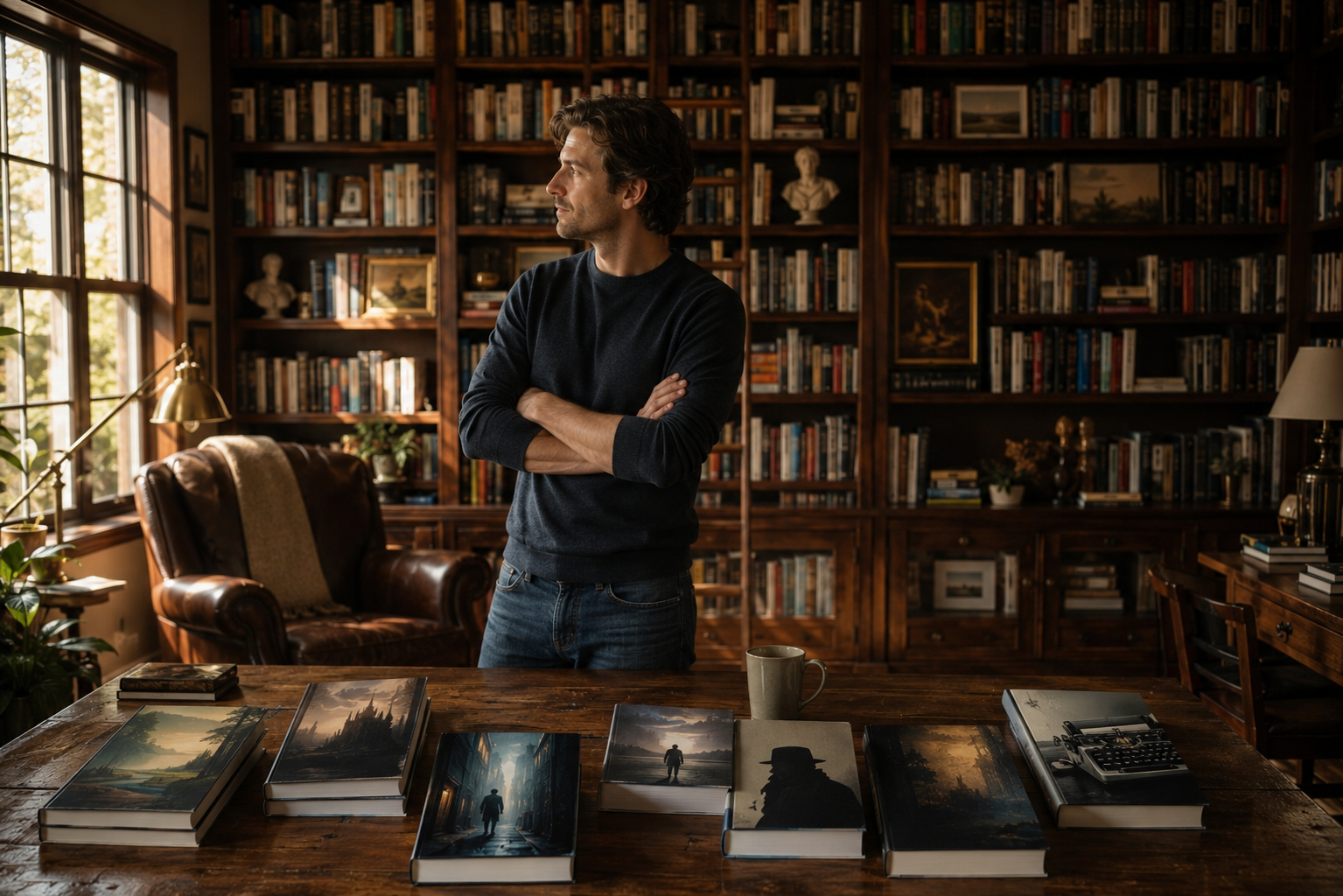

John Risner
John Morgan Risner is a screenwriter, novelist, and story analyst, and the founder of Screen Writer Ink. With over a decade of experience teaching screenwriting and filmmaking at the university level, he has helped writers develop stronger stories through a focus on character, structure, and cinematic storytelling. His work spans multiple genres, including thriller, horror, and mystery, with an emphasis on character-driven narratives. He is also a film historian with a deep knowledge of classic and modern cinema, including the James Bond films and novels. Through Screen Writer Ink, he provides writers with practical, experience-based insight into the craft of storytelling—helping them move beyond theory and write with clarity, purpose, and control.


