

The Craft of Screenwriting: Genres
Horror has become a major force in movies, television and novels. Horror films allow the audience to experience life and death in vivid, sometimes gory details, while staying safe in their reclining seats. Horror has become so popular that many sub genres exist within the main horror genre. Vampire, Ghost, Monster, Slasher, Torture are just a few different veins a horror story can inhabit. Then you can also add blending comedy or action genres with horror and it can sometime be difficult deciding what genre a film really fall within.
The main plot of most horror films is the isolation of a groups of relatively innocent people [usually young] with no hope of timely rescue [it at all] and confronted by a much more powerful entity[think, Werewolf, Alien, Madman, etc.] hunting them for food, revenge, primal urges or just plain evil. The setting can be a lonely farmhouse, a cabin in the woods, an abandon high-rise , a space ship or even a city ravaged by disease, but the main thing is that the group is cut off from society and must rely upon themselves to defeat the threat. The group will be whittled down by the monster and sometimes from inter fighting within the group until only one member is left standing. Many times the last man standing is a girl, who seemed weak at the beginning of the story but has found strength both within and out to confront the creature in a battle to the death and hopefully win.
Due to the isolation aspect of horror stories and the very nature of people fighting for their lives, the Suspension of Disbelief is very hard to maintain over a long period of time’ so most horror films run around 90 minutes so the first act set up is usually fast paced as is the final resolution of the story.

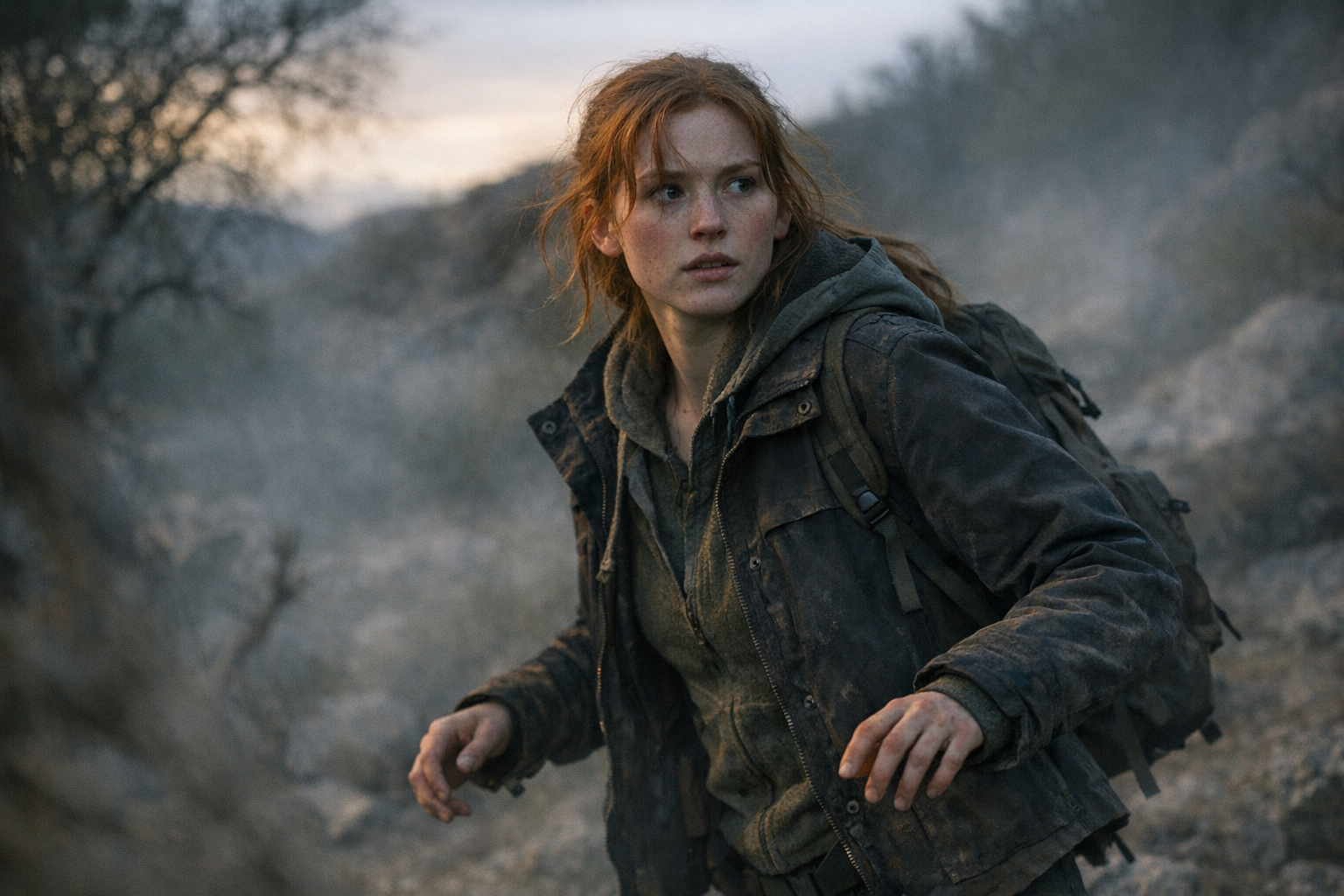
The Craft of Writing: Why Strong Female Characters Matter (And Why Most Writers Still Get Them Wrong)


John Risner
John Morgan Risner is a screenwriter, novelist, and story analyst, and the founder of Screen Writer Ink. With over a decade of experience teaching screenwriting and filmmaking at the university level, he has helped writers develop stronger stories through a focus on character, structure, and cinematic storytelling. His work spans multiple genres, including thriller, horror, and mystery, with an emphasis on character-driven narratives. He is also a film historian with a deep knowledge of classic and modern cinema, including the James Bond films and novels. Through Screen Writer Ink, he provides writers with practical, experience-based insight into the craft of storytelling—helping them move beyond theory and write with clarity, purpose, and control.


