

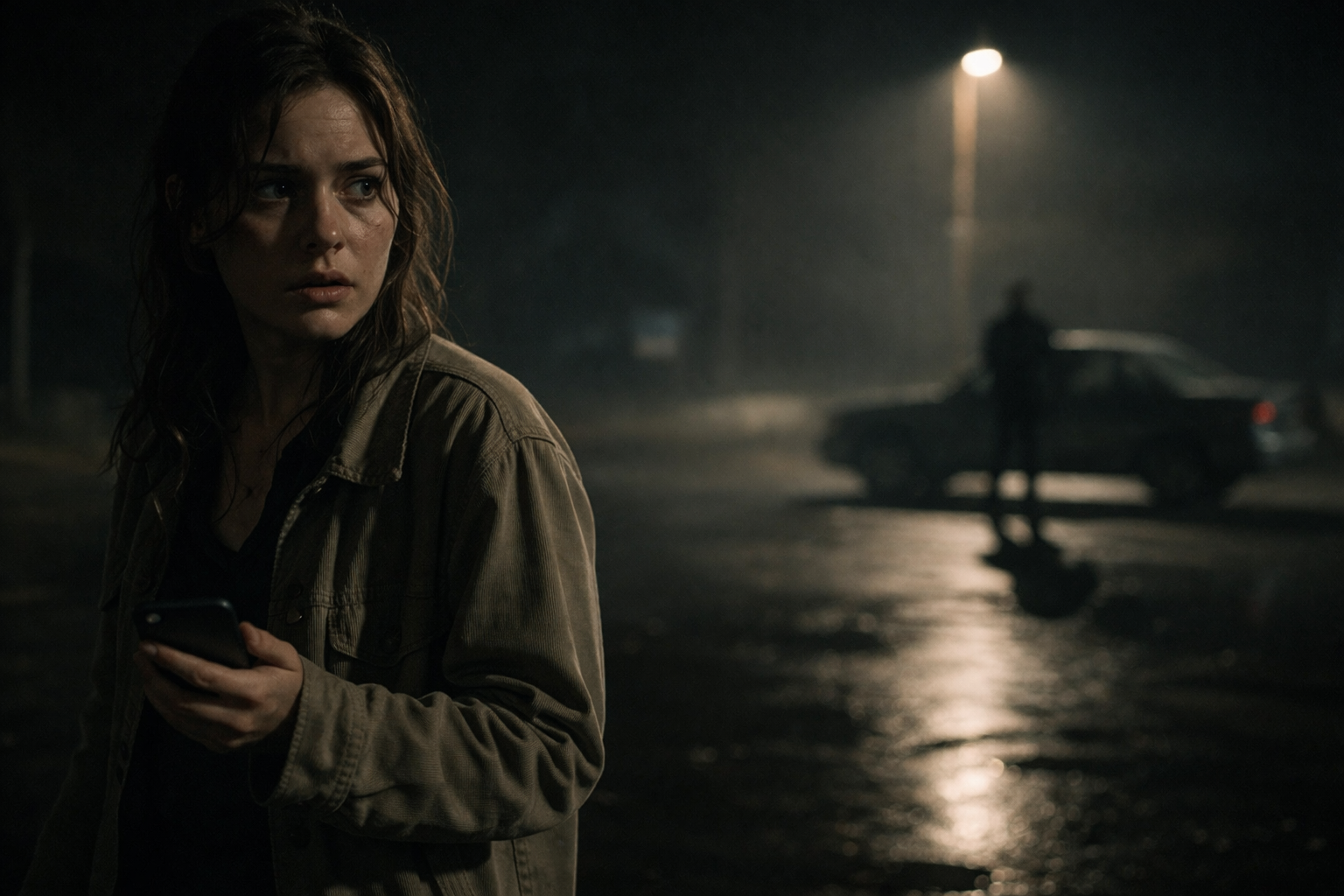
The Craft of Screenwriting : Suspense and Tension
Suspense and tension are not optional elements in storytelling. They are the force that pulls an audience through a scene, through a sequence, and ultimately through an entire story. Whether you are writing a screenplay, a novel, or a short story, nearly every scene should carry some degree of tension. Without it, the story stalls. With it, the story moves.
At its core, tension is created when the audience hopes or fears that something will happen to the characters. That anticipation, whether emotional, physical, or psychological; is what keeps the audience engaged. It is not the outcome that matters most in the moment, but the uncertainty surrounding it.
Will the lovers find their way to each other, or fall apart before they ever have the chance? Will the hero stop the threat in time, or arrive too late? Will the underdog succeed against overwhelming odds, or fail when it matters most?
These questions are not confined to one genre. They exist in romance, comedy, action, drama, mystery, and horror. The form may change, but the function remains the same. Suspense is what keeps the audience leaning forward.
In a love story, tension often takes the form of emotional uncertainty. The audience anticipates connection while fearing rejection, betrayal, or loss. If the outcome is given away too early, the tension collapses. The audience no longer has a reason to stay invested. Strong romantic storytelling delays resolution, allowing characters to clash, struggle, make mistakes, and earn whatever connection they ultimately achieve. It is the uncertainty of the first date, the hesitation before the first kiss, and the possibility of failure that gives the story its energy.
Even comedy relies on suspense. A joke, at its most basic level, is built on anticipation. The setup creates expectation, the audience leans in, and the payoff delivers the release. In longer form storytelling, that same structure applies. Situations are established, complications arise, and the audience anticipates how events will unfold. Whether through misunderstanding, timing, or reversal, the tension exists in the gap between expectation and outcome.
This becomes even more critical in genres built on uncertainty, such as mystery, thriller, and horror. In these stories, suspense is not just a tool; it is the foundation. When it is handled poorly, the entire story weakens.
A clear example can be found in the 2008 remake of Prom Night. The film reveals the identity of the killer within the opening minutes. By removing the mystery, it eliminates the audience’s need to anticipate. Without that uncertainty, moments that should generate tension fall flat. The audience is no longer asking questions, and without questions, there is no suspense.
The result is a story that feels directionless. The audience is not engaged with the central conflict, and the film struggles to generate momentum. Even scenes that should be suspenseful lack impact because the underlying tension has already been stripped away.
This is where many stories fail. Suspense is not created by events alone, but by the audience’s relationship to those events. What they know, what they don’t know, and what they expect all shape how tension is experienced. Reveal too much too early, and the tension disappears. Withhold too much, and the audience becomes disconnected. The balance is deliberate.
On a scene level, tension is driven by conflict. Characters enter a scene with opposing goals, and the outcome is uncertain. That uncertainty must be maintained long enough to create engagement, but not so long that the scene loses direction. If characters resolve their differences immediately, the scene feels empty. If conflict drags without progression, it becomes repetitive. The writer’s job is to manage that exchange, allowing the tension to build, shift, and eventually resolve in a way that propels the story forward.
Every scene should leave the audience with a question, a concern, or a sense of anticipation. That is what carries them into the next moment. Suspense is not confined to major plot points. It exists in small interactions, in withheld information, in character decisions, and in the consequences that follow.
When used effectively, suspense and tension create momentum. The audience continues not because they are told to, but because they need to know what happens next. That need is what transforms a story into something compelling.
Without tension, a story can be understood. With tension, it is experienced.
Fade In Is Just The Beginning.
John Morgan Risner
Screen Writer Ink

The Craft of Writing: Why Strong Female Characters Matter (And Why Most Writers Still Get Them Wrong)

The Craft of Writing: Why Good Stories Ask Better Questions